
Two Dishes. Eight Rupees.
On Indian middle class upbringing and the programme that still follows me.

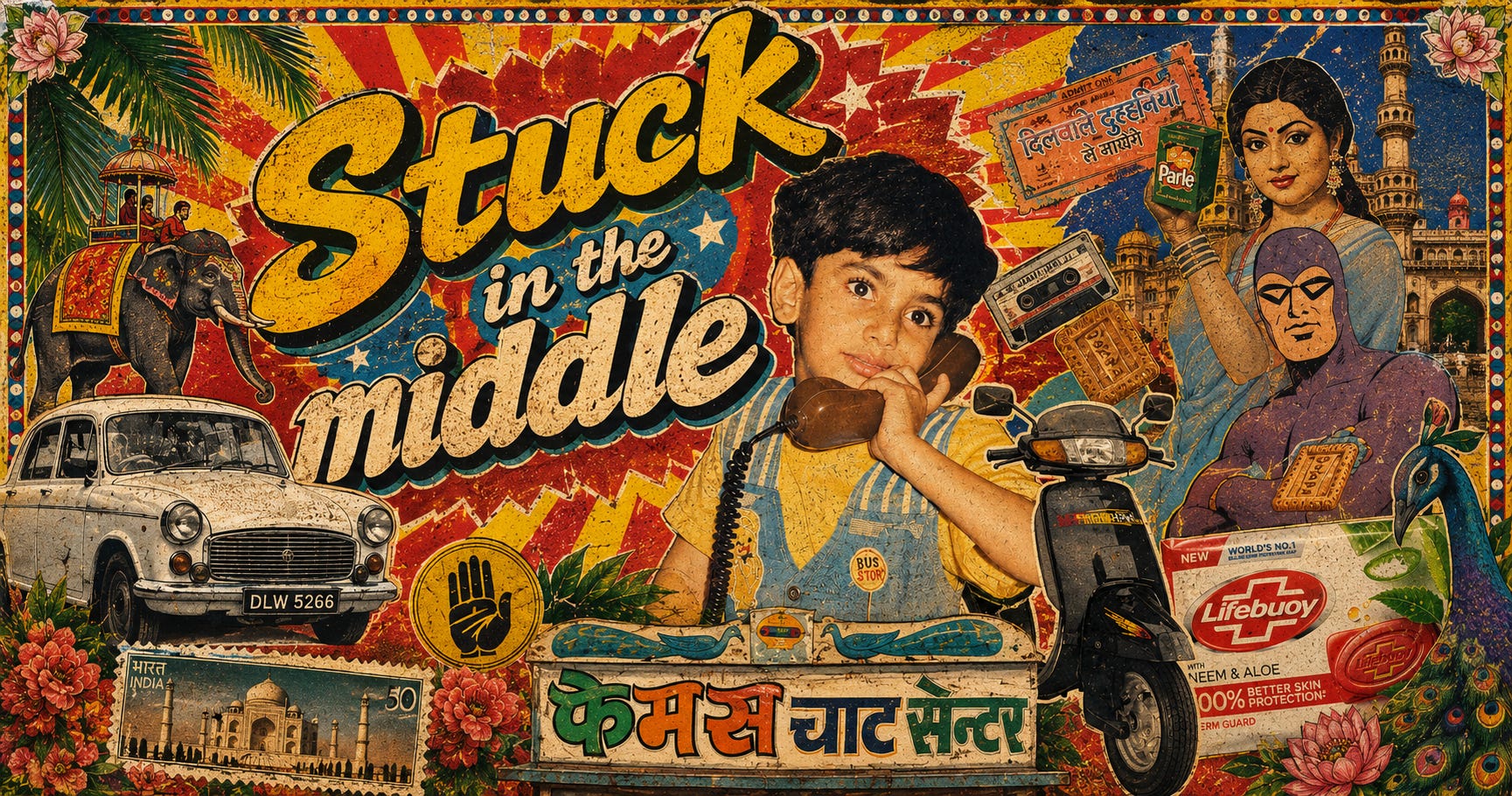
The man across the pool was reading. That was all. Just reading, slowly, without checking the time.
He sat on a lounger, in a robe, turning pages. No phone. No watch. No sense that he was meant to be anywhere else. He looked, in the most ordinary way, like he was unhurried.
I was in the hot tub three feet away, running an itinerary review no one had asked for. I had thirty minutes before I needed to leave. I had not yet done the sauna. I had not yet gone to the steam room. I was calculating the optimal sequence: six minutes in the tub, eight in the sauna, a quick shower, six in the steam room, three to cool down, five to dress. Tight, but doable. Very restorative.
Then, still in the water, I began planning what I would do when I got home. Shower, make coffee, check if my Claude tokens had refreshed, read.
That last one stopped me. I was sitting in a hot tub in the spa of my apartment building, three feet from a man who was reading, planning an entire itinerary to go home so that I could, somehow, read.

A few weeks before that, I had told my wife I was bored. She suggested we colour together, nothing planned, nothing serious, just a colouring book and some crayons that she had bought. My first response, fully formed and out loud: “Why? What will be the outcome?” She was shocked, “Why does it need an outcome?”
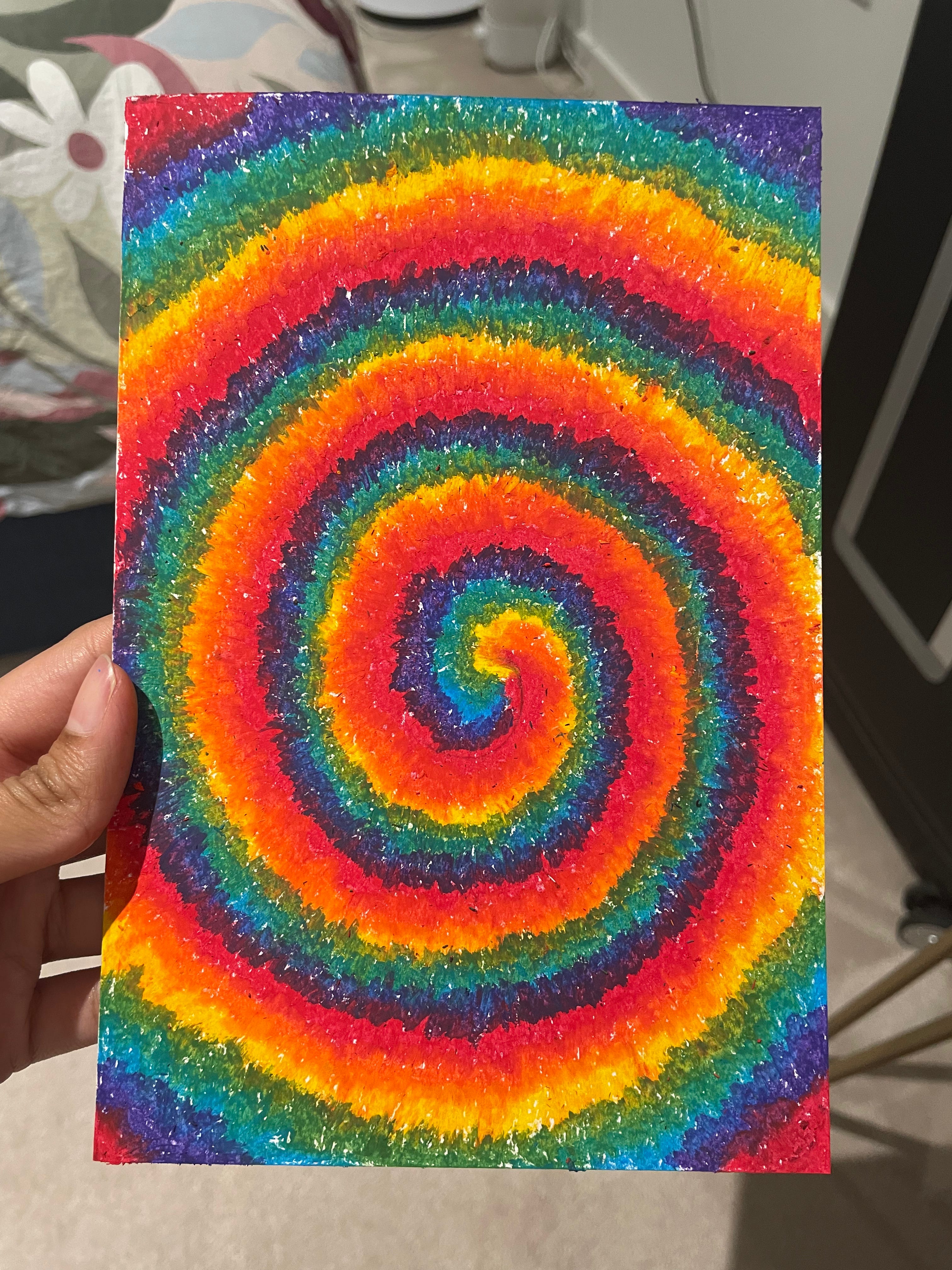
The question wasn’t rhetorical. My brain had genuinely no other question to ask. Faced with an unstructured free hour and some crayons, the only thing it could retrieve was a request for a deliverable. I was bored but still unwilling to pick up the crayon without a reason that survived my own scrutiny.
This newsletter, since we are being honest, started because I wanted to imitate people who were successful and earn money in the process. I needed an invoice attached to every activity before starting it. Leisure that couldn’t justify itself wasn’t leisure. It was time lost.
I was not raised to hate pleasure. I was raised to audit it.
I have come to understand this is the residue of a specific upbringing. At least, it is in mine. My family, on reading this, will agree. Then ask how acknowledging it helps my career.
I was born into the Indian middle class in Mumbai. Privileged middle class, but middle class nevertheless. By privileged I mean: we always had food on the table and savings in a fixed deposit somewhere. But it was a particular kind of middle class. The early-nineties Mumbai kind, where things were counted and choices had weight.
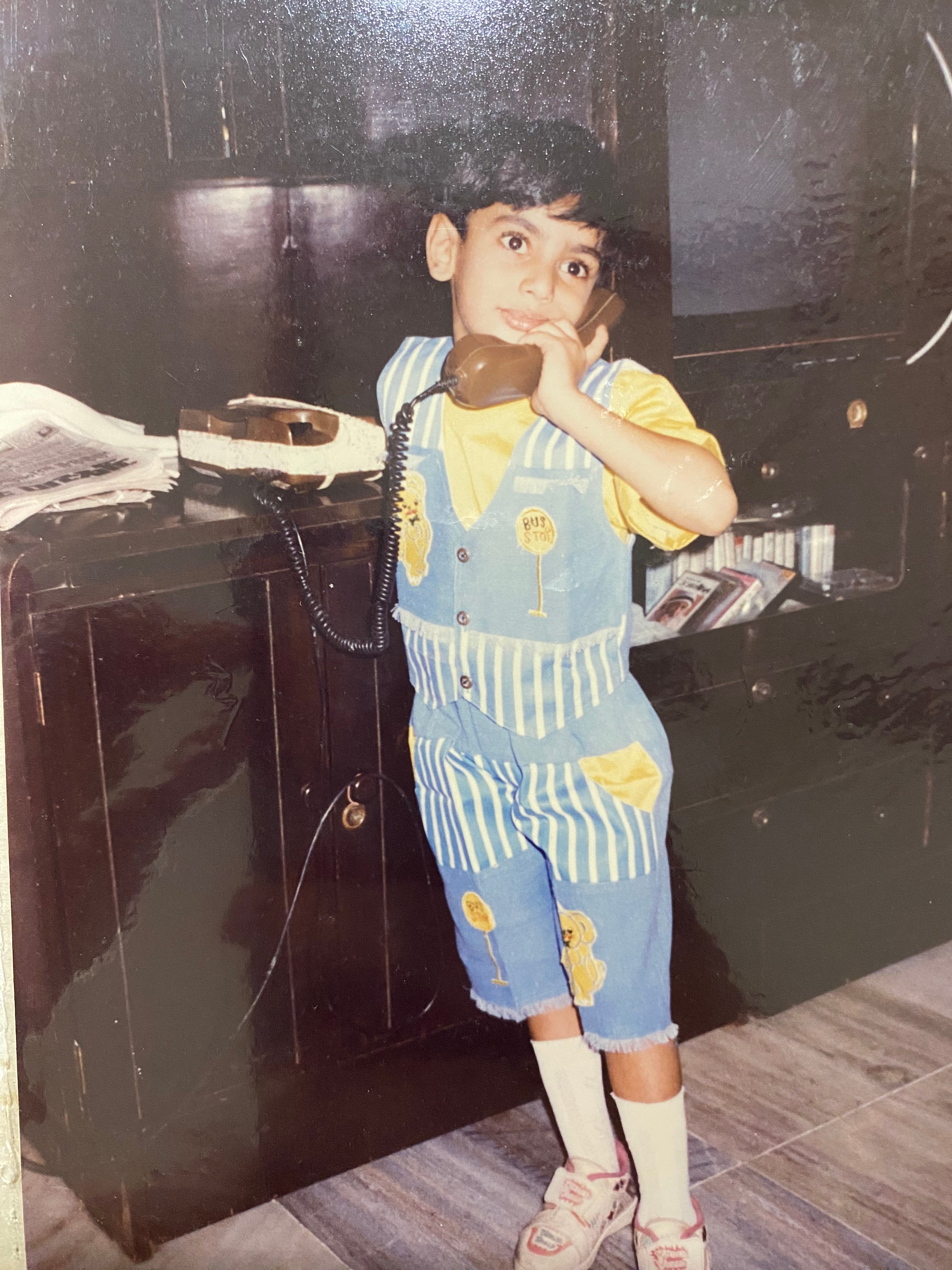
My mother still collects plastic bags with the seriousness of someone preserving family wealth. Every cupboard has a bag of bags, and inside that, often, another smaller bag of bags. It is less storage, more succession planning. Toothpaste and soap are used until their very last breath. When a new bar of soap arrives, the last thin sliver of the old one is pressed onto it so nothing goes to waste. Every bar dies in service. There is no ceremony. There really should be.
Every electronic item bought in our house came with a red tikka before anyone touched it. My father did not remove the plastic wrapping from our Maruti 800 for four years, until it tore by itself. I remember my first visit to Domino’s because we had gone to watch Bend It Like Beckham, probably the first English film I saw in a theatre with my family, not counting the Titanic reruns on Sony Max. We had ordered a medium pizza with minimum toppings. Even when ordering pizza, we remained firmly in the middle. Our clothes followed a precise lifecycle: bought new for a wedding, worn for errands after that, worn around the house after that, and eventually repurposed as the mop my mother used to clean the floor. Indian middle-class families were practising sustainability long before anyone put it on a tote bag.
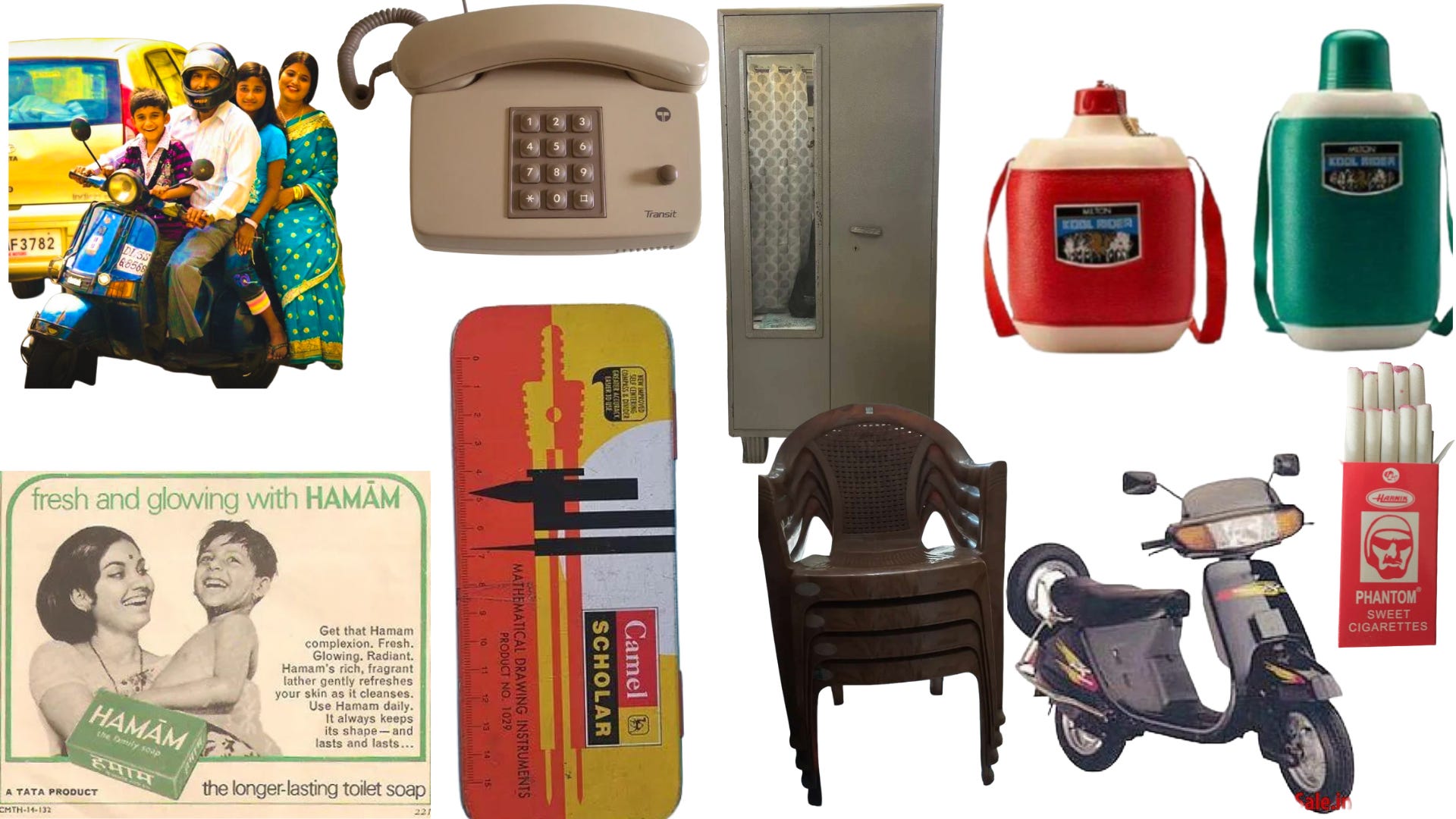
Some Friday evenings, if the mood aligned, and you could never be sure when it would, my mother would decide the week deserved it. My father would drive all four of us to the chaat stall on the Kinetic scooter, in the way only Indian families manage on a scooter.
Two dishes each, eight rupees per plate of chaat. That was the budget, assigned and closed. The whole ride there I would be composing my order in my head. The work of someone who could not afford to decide wrong.
Barry Schwartz would later write about the paralysis of too many options. The chaat stall taught me a different version: too many wants, too few chances. Two dishes. Eight rupees. And no guarantee that next Friday evening, the budget, and my mother’s mood would all align again.
Optimisation was the only available mode. I was seven. I had not yet developed the vocabulary for what I was doing. I had absolutely developed the anxiety.
What I didn’t understand then was that the habit of calculation would outlast the conditions that created it. The scooter, the eight-rupee plate of chaat, the uncertainty of the next Friday evening - those things belonged to another life. But the reflex has remained. Without the stall, without the budget, without any real scarcity in the room, it followed me. It became a man in a hot tub, scheduling the sauna.
If you have been reading and enjoying this, please consider pledging a subscription. From July, paid subscribers get one extra essay a month. No charge until then.
This was bigger than my family, though my family gave it its local flavour. In a household that had always had just enough, rest did not arrive as a right. It arrived as a reward, after sufficient effort, after the necessary things had been done, and even then only if it seemed appropriate to stop, only if no one was watching. The generation above mine was a generation of hardworking people in a city that asked a great deal of them. Money went only so far. Time went even less. There was always something to finish, something to save for, something that could not be put down yet. The generation before them had known the same calculation in another form.
This is how middleclassiyat compounds: it begins as necessity, travels through the family, and catches you before anyone has the time, language, or distance to explain it to you.
The programme running in the spa has a name.
A 2017 paper in the Journal of Consumer Research argued that a busy and overworked lifestyle, rather than a leisurely one, has become a status symbol in aspirational, meritocratic societies, such as India. Being busy signals that you are competent, ambitious, scarce, and in demand. Sitting still in a hot tub signals the opposite, at least to the trained mind. For someone observed since childhood by parents, teachers, relatives at every gathering, and neighbours who could tell you exactly what Abhishek next door had scored in his board exams, visible idleness does not feel neutral. It feels like evidence of something. Which is why running a productivity sprint from inside the hot tub felt, at the time, like the sensible thing to do.
The crayon, unfortunately, has its own literature too.
A 2021 paper in the Journal of Experimental Social Psychology found that people who view leisure as wasteful enjoy leisure less, especially when the activity is done as an end in itself rather than as a means to another outcome. This felt less like research and more like someone had installed CCTV in my living room. My wife had handed me crayons. My brain asked for a business case.
The older psychology of rewards points in the same direction. In 1971, a psychologist named Edward Deci gave one group of university students a puzzle to solve for the pleasure of it. A second group received money for solving the same puzzle. Then he left both groups alone in a room with the puzzle and watched. The unpaid students kept playing. The paid students, once the money stopped, stopped too.

A later meta-analysis of 128 studies confirmed the pattern: once the brain links an activity to external reward, it loses the ability to engage with that activity on its own terms. The programme ran the calculation, arrived at an answer, and applied it everywhere.
For a child raised where marks produced praise, where idle time produced anxiety, where every leisure choice was quietly benchmarked against the cousin who got into IIT, the programme runs constantly. Rest becomes recovery for the effort that arrives the next morning, and there is always effort arriving the next morning. Colouring on a Saturday evening becomes an unanswered question about where the drawing is going.
And then there is the scale of the programme.
A 2024 study surveying 570 adolescents preparing for competitive entrance exams in Udupi district, Karnataka, found that 86% reported high academic stress and 87% experienced high perceived parental pressure. It is one district, one sample, one study. But the numbers do not feel exotic. They feel like the texture of a system.
In a 2023 survey of more than 30,000 employees across 30 countries, McKinsey Health Institute reported that approximately 22% of employees globally were experiencing burnout symptoms. India reported the highest rate, at 59%. On exhaustion specifically, India was at 62%, against a global figure of 42%.
Somewhere between the chaat stall in the 90s and the open-plan office in 2026, a generation of Indian middle-class children grew up and carried the programme with them, along with their laptops, their ambitions, and the inherited belief that comfort had to justify itself.
The man reading by the pool looked unhurried. Either this programme was never installed in him, or he has found a way to run it quietly in the background where it no longer interrupts. I couldn’t tell which. Maybe it doesn’t matter.
What I kept thinking about was not how to fix it. Just this: there is a name for what was running. The inability to sit still in a hot tub. The need to ask a crayon what it is for. The sense that leisure has to be earned before it can be inhabited.
A name does not uninstall the programme but it gives you a little distance from it. You can hear it start speaking before you mistake it for yourself.
Maybe this is what progress looks like at first. Not the programme disappearing, but noticing when it starts speaking. I was still scheduling during my relaxation, but at least I had made it to the sauna. My parents did not have the time, money, or permission to treat rest as something you could put in the day on purpose.
These are not character flaws. They are a programme, an old one, written in scarcity, still running in abundance. It does not know the conditions have changed.
Two dishes. Eight rupees. One ride on the scooter, if the timing was right and the mood held. The stall is long gone. So is the scooter. In my head, I am still composing my order.
Until next time,
If pieces like this work for you, the easiest way to get the next one is to subscribe. It’s free, arrives twice a month, and sits in your inbox until you have time for it.
Brilliant!